The experience of walking into a supermarket seems simple, but for many people, it quickly turns into mental exhaustion. This growing pattern is known as supermarket decision fatigue, where too many choices create stress instead of convenience. From selecting breakfast cereals to comparing cooking oils, customers often feel overwhelmed before they even finish half their shopping.
Modern retail spaces are designed to offer variety, but excessive options often lead to shopping overload rather than satisfaction. As shelves become more crowded with similar products, people struggle with buying confusion, unsure which option offers the best value, quality, or necessity. Understanding supermarket decision fatigue helps explain why many shoppers leave stores feeling mentally tired and financially uncertain.
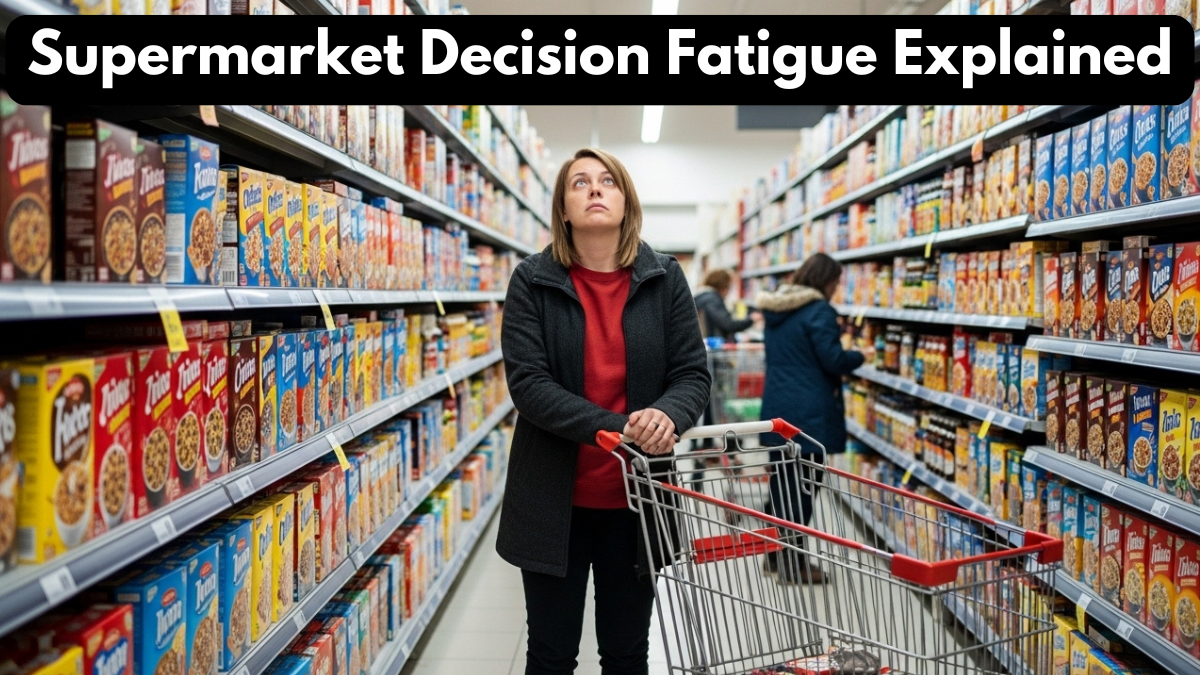
What Supermarket Decision Fatigue Really Means
Supermarket decision fatigue happens when repeated small decisions drain mental energy during shopping. Every product category requires choices—brand, size, price, ingredients, discounts, and packaging. Individually these decisions seem minor, but together they create strong cognitive pressure.
This leads to shopping overload, where the brain becomes tired from constant comparison. Instead of feeling empowered by options, customers begin rushing decisions or avoiding them completely. This is where buying confusion becomes strongest, especially when products look similar but differ slightly in pricing or quality.
For example, choosing between ten brands of rice or multiple versions of the same shampoo can turn a quick shopping trip into a stressful process. This is why supermarket decision fatigue is becoming more common in everyday life.
Why Shopping Overload Happens in Modern Supermarkets
One major reason for shopping overload is the expansion of product variety. Supermarkets now offer premium, budget, organic, imported, family-size, and discount versions of the same item. While this improves availability, it also increases mental pressure.
Marketing strategies also contribute to supermarket decision fatigue. Bright labels, discount signs, combo offers, and “limited-time deals” demand constant attention. Shoppers feel pushed to make quick choices, increasing buying confusion rather than helping decision-making.
Some common triggers include:
- Too many similar product options
- Discount offers on multiple brands
- Large supermarket layouts
- Confusing product labeling
- Time pressure during shopping
- Budget concerns while comparing items
- Family preferences affecting choices
- Fear of making the wrong purchase
These factors make supermarket decision fatigue a regular part of grocery shopping for many households.
How Buying Confusion Affects Spending Habits
The biggest impact of buying confusion is poor spending decisions. When mental energy drops, people either buy impulsively or avoid buying important items. Both outcomes affect budgeting and satisfaction after shopping.
Many customers facing shopping overload end up purchasing familiar brands simply to avoid thinking too much. Others are influenced by promotions and buy unnecessary items they did not originally plan for. This strengthens supermarket decision fatigue, especially during monthly household shopping.
Another result is regret after purchase. People often return home and feel uncertain about whether they chose the best option. This repeated doubt turns normal grocery shopping into a stressful financial experience and increases long-term frustration.
Traditional Grocery Shopping vs Modern Supermarket Decisions
| Aspect | Traditional Grocery Shopping | Modern Supermarket Shopping |
|---|---|---|
| Product Variety | Limited and simple | Extremely wide choices |
| Decision Speed | Faster and routine-based | Slower with constant comparison |
| Mental Pressure | Low | High due to shopping overload |
| Spending Pattern | Need-based buying | Impulse and confusion-based buying |
| Customer Experience | Practical and direct | Often mentally exhausting |
This table shows how supermarket decision fatigue is linked to changing retail systems. Increased variety creates shopping overload, which often leads directly to buying confusion.
Can Supermarket Decision Fatigue Be Reduced?
Yes, reducing supermarket decision fatigue starts before entering the store. Creating a shopping list helps customers stay focused and avoid unnecessary comparisons. Planned shopping reduces both shopping overload and emotional spending.
Setting a clear budget also limits buying confusion. When people know their spending range, decisions become faster and simpler. Choosing a few trusted brands for regular essentials can also reduce mental pressure without sacrificing quality.
Supermarkets themselves can improve the experience by offering clearer labeling, better shelf organization, and simpler promotional systems. Reducing visual clutter helps customers make smarter choices with less stress. Managing supermarket decision fatigue is not about having fewer options—it is about making choices easier and more meaningful.
Conclusion
Supermarket decision fatigue reflects how modern convenience can sometimes create more stress instead of saving time. Excessive product choices, constant promotions, and rising shopping overload turn simple grocery shopping into a mentally draining activity. This often results in buying confusion, impulse spending, and post-purchase regret.
By recognizing these patterns, shoppers can make better decisions and reduce unnecessary stress. Structured planning, focused buying, and smarter store design can improve both financial control and shopping satisfaction. Understanding supermarket decision fatigue helps people shop with more confidence and less mental exhaustion.
FAQs
What is supermarket decision fatigue?
Supermarket decision fatigue is the mental exhaustion caused by making too many small shopping decisions, such as comparing brands, prices, and product features during one shopping trip.
Why does shopping overload happen so often?
Shopping overload happens because supermarkets offer too many similar choices, discounts, and promotional messages, making it harder for customers to decide quickly and confidently.
How does buying confusion affect spending?
Buying confusion often leads to impulse purchases, delayed decisions, or unnecessary spending because shoppers become mentally tired and less confident about choosing the right products.
Can a shopping list reduce supermarket decision fatigue?
Yes, a shopping list helps reduce supermarket decision fatigue by keeping the shopper focused on necessary items and preventing distraction from unnecessary product comparisons.
Why do people buy familiar brands during shopping overload?
During shopping overload, people often choose familiar brands because it saves mental effort and reduces the stress of comparing too many similar options.
Click here to learn more