Modern wellness conversations are changing, and one of the most meaningful emotional shifts is the rise of the self parenting concept trend. Many adults are beginning to understand that emotional healing is not only about moving forward—it is also about revisiting unmet needs from earlier life experiences. People are asking how they can offer themselves the support, safety, and care they may have missed growing up.
The growing self parenting concept trend is strongly connected to inner child healing and long-term personal growth. It focuses on learning how to respond to yourself with patience, boundaries, emotional responsibility, and self-respect instead of self-criticism. This is not about blaming the past—it is about becoming the kind of support system you needed and still deserve.
What Is the Self Parenting Concept Trend?
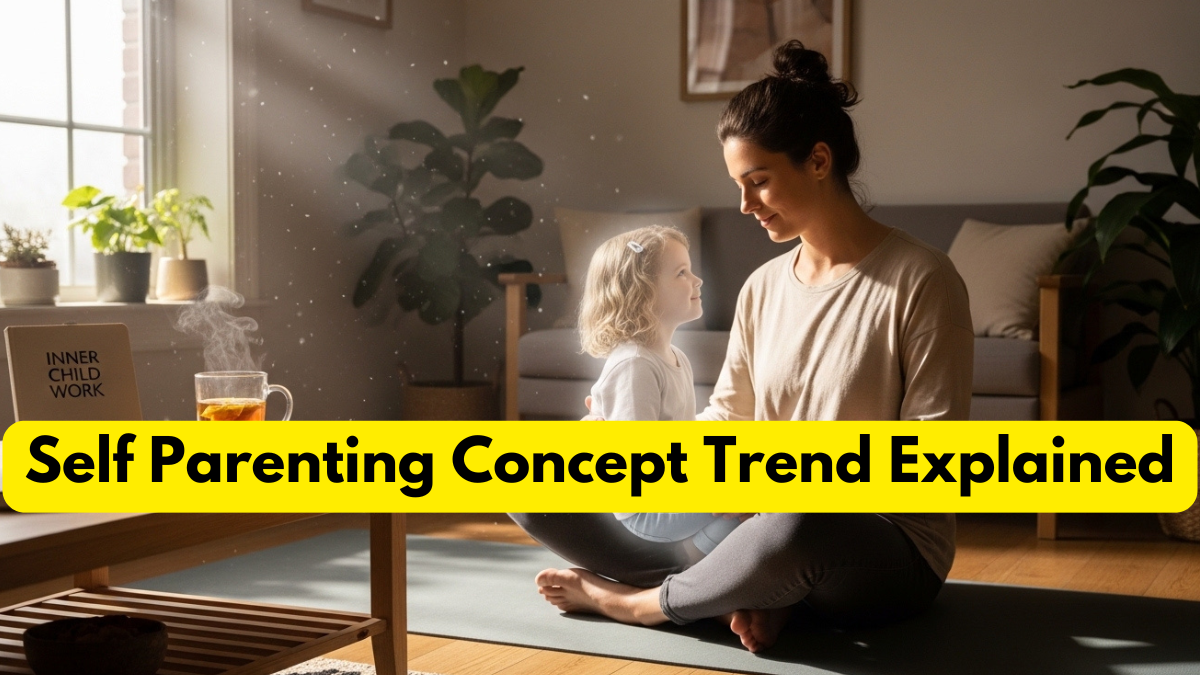
The self parenting concept trend refers to the practice of giving yourself emotional care, guidance, and protection in adulthood the way a healthy parent would. This includes setting boundaries, offering self-compassion, regulating emotions, and creating safety instead of repeating harmful self-talk or self-neglect.
This process is deeply linked to inner child healing, where people recognize how early emotional experiences still shape present reactions. Strong personal growth happens when adults stop waiting for external validation and start building internal emotional stability.
Common examples include:
- Talking to yourself with compassion instead of shame
- Setting healthy boundaries without guilt
- Creating routines that support emotional safety
- Recognizing emotional triggers from childhood patterns
- Allowing rest without constant self-judgment
- Learning to meet your own emotional needs
These habits show how the self parenting concept trend turns healing into daily behavior rather than only emotional reflection.
Why Inner Child Healing Matters
Many adult reactions come from much older emotional patterns. Fear of rejection, people-pleasing, perfectionism, emotional shutdown, or constant self-doubt often have roots in early unmet emotional needs. This is why inner child healing has become such an important part of the self parenting concept trend.
When people understand where emotional patterns begin, they stop treating themselves like a problem and start responding with awareness. This creates real personal growth, because healing becomes practical instead of abstract.
Common signs of unresolved emotional patterns include:
- Difficulty saying no without guilt
- Fear of disappointing others
- Constant need for external approval
- Harsh self-criticism after small mistakes
- Emotional overreactions to rejection
- Struggling to rest without feeling unproductive
These patterns show why the self parenting concept trend is about emotional responsibility, not emotional weakness.
Personal Growth Through Emotional Reparenting
The strongest part of the self parenting concept trend is that healing becomes active, not passive. People stop waiting for perfect closure and begin creating healthier emotional systems for themselves. This is where personal growth becomes real life practice.
For example, instead of repeating negative self-talk, someone may learn to pause and respond with patience. Instead of tolerating unhealthy relationships, they may create stronger boundaries. These choices support both inner child healing and long-term emotional stability.
Helpful self-parenting actions include:
- Building consistent self-care routines
- Protecting sleep and emotional recovery
- Choosing relationships with emotional safety
- Creating boundaries around overgiving
- Practicing emotional honesty with yourself
This shows that the self parenting concept trend is not soft advice—it is disciplined emotional work.
Self Parenting vs Self-Indulgence
One common misunderstanding is that the self parenting concept trend means always choosing comfort or avoiding responsibility. In reality, healthy self-parenting includes both kindness and accountability. Just like good parenting, it requires boundaries, honesty, and structure.
Here is a simple comparison:
| Healthy Self Parenting | Self-Indulgence |
|---|---|
| Compassion with responsibility | Comfort without accountability |
| Emotional honesty | Emotional avoidance |
| Boundaries and discipline | Escaping discomfort |
| Long-term personal growth | Short-term emotional relief |
| Inner child healing with maturity | Using healing as an excuse |
This table helps explain why true personal growth is not about avoiding hard things—it is about handling them with healthier emotional support.
Challenges in Practicing Self Parenting
Although the self parenting concept trend sounds empowering, it can feel difficult because many people were never taught emotional regulation or self-compassion. If someone grew up around criticism, chaos, or emotional neglect, kindness toward themselves may feel unfamiliar.
Common challenges include:
- Feeling guilty for setting boundaries
- Confusing self-care with selfishness
- Difficulty trusting emotional needs
- Returning to old self-critical patterns
- Expecting instant healing results
- Emotional discomfort during inner child healing
This is why inner child healing requires patience. Real personal growth is often quiet and repetitive, not dramatic. Small emotional choices matter more than perfect healing language.
Consistency heals more than intensity.
How to Start the Self Parenting Process
The best way to begin the self parenting concept trend is with awareness. Instead of asking “What is wrong with me?” people begin asking “What do I need right now?” This shift creates emotional safety and stronger self-trust.
Helpful starting steps include:
- Notice your self-talk during stress
- Ask what younger you needed in difficult moments
- Create routines that feel emotionally safe
- Practice saying no without over-explaining
- Let rest exist without guilt
- Replace shame with curiosity during mistakes
These simple habits support inner child healing while making personal growth feel practical and sustainable.
Healing often starts with how you speak to yourself on ordinary days.
Why This Trend Is Growing So Fast
The reason the self parenting concept trend is growing is because more people are realizing success without emotional peace still feels empty. Mental health awareness, therapy conversations, and burnout culture have made emotional patterns impossible to ignore.
People are no longer satisfied with functioning—they want healing, boundaries, and self-respect. This makes inner child healing and intentional personal growth central parts of modern emotional wellness.
The goal is not becoming perfect. It is becoming safe for yourself.
That is why the self parenting concept trend feels so deeply relevant today.
Conclusion
The rise of the self parenting concept trend shows that emotional healing is becoming a daily practice, not just a private struggle. Learning how to support yourself with patience, boundaries, and responsibility creates stronger emotional stability than external validation alone.
Through meaningful inner child healing and intentional personal growth, people can build safer relationships with themselves and others. Self-parenting is not about fixing who you are—it is about finally giving yourself the care, structure, and compassion needed to grow well. Sometimes the strongest healing begins when you become the support you were waiting for.
FAQs
What is the self parenting concept trend?
It is the practice of giving yourself emotional care, boundaries, compassion, and guidance in adulthood the way a healthy parent would.
What does inner child healing mean?
Inner child healing means understanding how early emotional experiences still affect adult reactions and learning to respond with awareness and compassion.
Is self parenting the same as self-care?
Not exactly. Self-care focuses on comfort and well-being, while self-parenting also includes boundaries, accountability, and emotional responsibility for long-term personal growth.
Why is personal growth connected to self parenting?
Because real personal growth happens when people stop repeating harmful emotional patterns and start building healthier ways of thinking, feeling, and responding.
How can someone start self parenting?
They can begin by improving self-talk, setting boundaries, noticing emotional triggers, allowing rest without guilt, and creating routines that support emotional safety.
Click here to learn more