The rise of Reverse skincare layering has sparked a noticeable shift in how young Indian beauty enthusiasts approach their daily skincare routines. Traditionally, skincare has followed a fixed order starting with the lightest products and ending with heavier creams. However, this emerging method challenges that norm by flipping the sequence to enhance skin absorption and hydration. Influenced by global skincare conversations and social media experimentation, this trend is gaining traction among individuals seeking visible results with minimal product overload.
At its core, Reverse skincare layering is being promoted as an innovative beauty technique that prioritizes skin barrier health and moisture retention. Many users describe it as a simple yet effective hydration trick, especially beneficial for dry, dehydrated, or climate-stressed skin. As Indian weather conditions vary widely, this approach is being adapted to suit different skin types and regional needs.
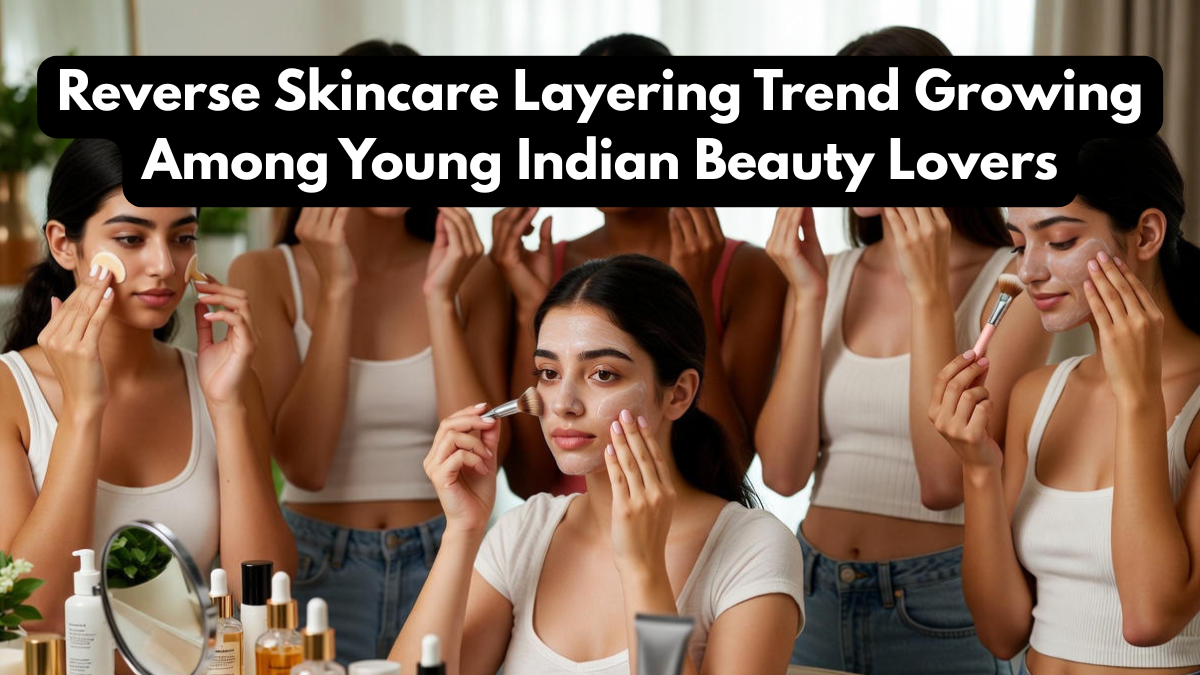
What Is Reverse Skincare Layering and How It Works
Reverse skincare layering involves applying skincare products in the opposite order of the conventional routine. Instead of starting with toner or serum, users begin with heavier formulations like moisturizers and finish with lighter, water-based products. The idea is to create a protective base that prevents rapid moisture loss while allowing lighter products to penetrate gradually.
As a beauty technique, this method challenges long-standing skincare rules but is grounded in the concept of occlusion and controlled absorption. When used correctly, it can act as a powerful hydration trick, particularly during colder months or in air-conditioned environments. Many Indian users report that their skin feels plumper and more balanced after adopting Reverse skincare layering, especially when paired with minimal product routines.
Why This Beauty Technique Appeals to Young Indian Consumers
The popularity of Reverse skincare layering among young Indian beauty lovers can be attributed to changing skincare philosophies. There is a growing preference for mindful, skin-first approaches rather than excessive layering of products. This beauty technique aligns well with minimalist skincare trends and the desire for barrier repair.
Another reason this hydration trick resonates is its adaptability. Whether dealing with pollution, humidity, or dryness, Reverse skincare layering allows users to customize their routine. Influencers and dermatology-backed creators have played a key role in demonstrating how this method can suit Indian skin types, which often experience both oiliness and dehydration simultaneously.
Step-by-Step Reverse Skincare Layering Routine
To practice Reverse skincare layering effectively, it is important to understand product textures and skin needs. Below is a simplified routine commonly followed by beginners and enthusiasts alike.
| Step Order | Product Type | Purpose |
|---|---|---|
| Step 1 | Moisturizer or cream | Create a hydration seal |
| Step 2 | Lightweight serum | Deliver active ingredients |
| Step 3 | Hydrating toner or essence | Add water-based moisture |
| Step 4 | Facial mist | Lock in hydration |
This structured beauty technique ensures that skin remains nourished without feeling heavy. As a hydration trick, it is especially useful at night when skin repair processes are most active. Consistency and product compatibility are key to seeing benefits from Reverse skincare layering.
Skin Types and Conditions That Benefit Most
While Reverse skincare layering is not a one-size-fits-all solution, it shows promising results for specific skin concerns. Dry and dehydrated skin types benefit the most, as the method helps retain moisture for longer periods. Sensitive skin users also appreciate this beauty technique because it reduces over-exfoliation and excessive active layering.
Oily and acne-prone individuals can still use this hydration trick by choosing gel-based moisturizers and non-comedogenic products. Dermatologists often recommend adjusting the routine based on seasonal changes. In Indian summers, Reverse skincare layering may involve fewer steps, while winters may call for richer formulations.
Benefits and Limitations of Reverse Skincare Layering
One of the biggest advantages of Reverse skincare layering is improved hydration without increasing product count. This beauty technique supports the skin barrier and minimizes transepidermal water loss. Many users report reduced tightness, better makeup application, and a healthier skin texture overall.
However, like any hydration trick, it has limitations. Using incompatible products or heavy creams on acne-prone skin can lead to congestion. It is essential to understand ingredient interactions and patch-test before fully committing. When practiced mindfully, Reverse skincare layering can become a sustainable part of a long-term skincare routine.
Conclusion
The growing interest in Reverse skincare layering among young Indian beauty lovers reflects a broader shift toward intentional and skin-friendly routines. As a modern beauty technique, it redefines how hydration and product absorption are approached. When used correctly, this hydration trick can deliver noticeable improvements in skin comfort and appearance. By understanding individual skin needs and adapting the routine accordingly, Reverse skincare layering can offer a refreshing alternative to traditional skincare methods.
FAQs
What is reverse skincare layering?
Reverse skincare layering is a method where skincare products are applied in reverse order, starting with heavier products and ending with lighter ones.
Is this beauty technique suitable for all skin types?
This beauty technique works best for dry and dehydrated skin but can be adapted for oily or sensitive skin with the right products.
How does it work as a hydration trick?
As a hydration trick, it helps seal moisture early in the routine, reducing water loss and improving skin softness.
Can reverse skincare layering be done daily?
Yes, Reverse skincare layering can be practiced daily, especially at night, if products are chosen carefully.
Are dermatologists supportive of this trend?
Many dermatologists acknowledge Reverse skincare layering as beneficial when customized to individual skin needs and used with caution.
Click here to learn more