Mental well-being has become a top priority in 2026 as people navigate fast-paced lifestyles, digital overload, and increasing stress levels. In response, mental health apps have evolved from simple mood trackers into powerful tools that support emotional resilience and daily balance. What makes today’s solutions different is their evidence-based design and personalized approach. Modern wellness apps focus on prevention, self-awareness, and habit-building, while advanced therapy apps offer guided support that complements professional care. As access to traditional therapy remains limited for many, these digital tools are playing a crucial role in making mental health support more accessible, affordable, and consistent.
How Mental Health Apps Have Evolved in Recent Years
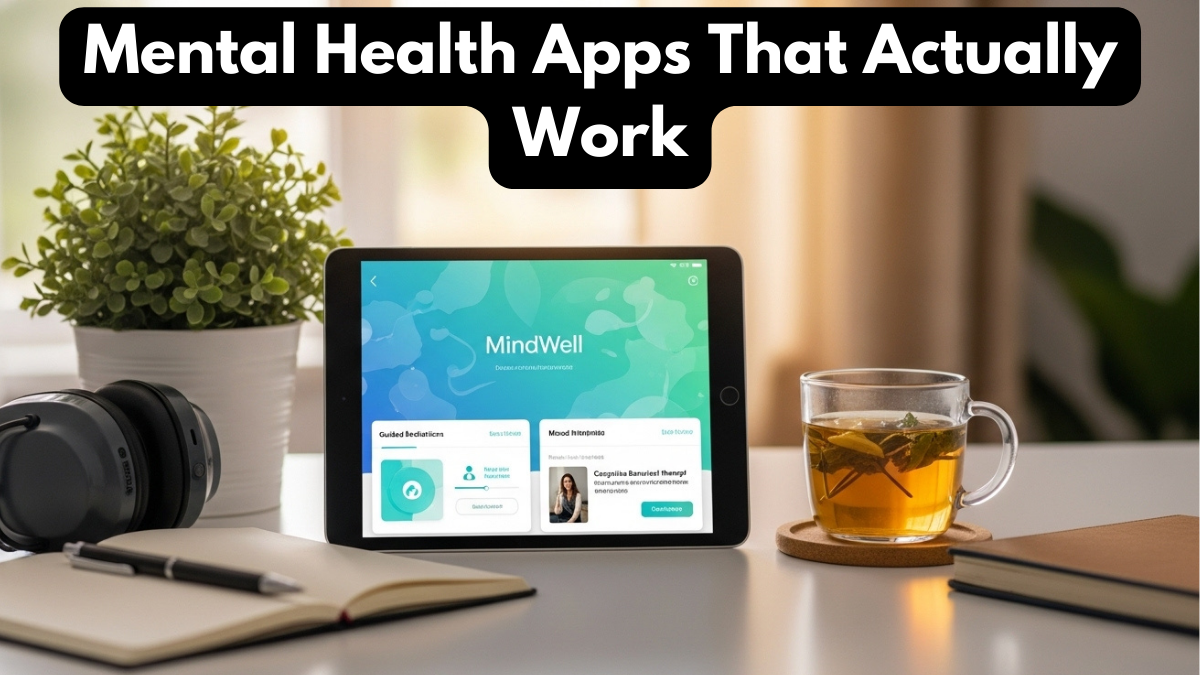
The early generation of mental health apps primarily focused on meditation timers or journaling prompts. In contrast, 2026 solutions integrate psychology, behavioral science, and AI-driven personalization. These advancements allow wellness apps to adapt content based on user behavior, stress patterns, and emotional trends. Therapy apps now include structured programs based on cognitive behavioral therapy, mindfulness-based stress reduction, and emotional regulation techniques. With improved user experience and data-driven insights, mental health apps are no longer passive tools but active companions in a person’s mental wellness journey.
Core Features That Make Mental Health Apps Effective
Not all mental health apps deliver the same results, which is why understanding key features is essential. Effective apps prioritize usability, personalization, and scientific backing. Wellness apps often focus on daily habits such as sleep, mindfulness, and stress management, while therapy apps provide guided sessions and structured progress tracking. In 2026, integration with wearable devices and smart notifications enhances engagement and accountability. The most impactful mental health apps balance simplicity with depth, making support easy to access without overwhelming users.
Key features to look for include:
- Mood and emotion tracking
- Personalized recommendations
- Guided exercises and reflections
- Progress insights and reminders
- Optional access to professional support through therapy apps
These elements ensure that wellness apps remain practical and effective for everyday use.
Comparison Table: Types of Mental Health Apps and Their Benefits
| App Type | Primary Focus | Best For | Key Benefit |
|---|---|---|---|
| Mindfulness Apps | Stress reduction | Daily balance | Calm and focus |
| Therapy Apps | Structured support | Emotional challenges | Guided healing |
| Mood Trackers | Self-awareness | Pattern recognition | Insight |
| Sleep Wellness Apps | Rest improvement | Energy management | Recovery |
| Habit-Building Apps | Consistency | Long-term wellness | Behavioral change |
This table highlights how different mental health apps serve distinct needs while contributing to overall well-being through wellness apps and therapy apps.
How Therapy Apps Complement Traditional Mental Health Care
One of the biggest strengths of therapy apps is their ability to bridge gaps in traditional care. While they are not replacements for licensed therapists, they provide consistent support between sessions or when access to in-person therapy is limited. Many mental health apps now collaborate with clinical professionals to ensure content accuracy and ethical standards. Wellness apps focus on daily maintenance, while therapy apps help users work through specific challenges using structured techniques. In 2026, this hybrid approach allows individuals to take a more active role in managing their mental health.
Challenges and Limitations of Mental Health Apps
Despite their benefits, mental health apps have limitations that users should understand. Not all apps are backed by scientific research, which can affect effectiveness. Overreliance on wellness apps without seeking professional help when needed may delay proper treatment. Privacy is another concern, as sensitive emotional data must be handled responsibly. Additionally, therapy apps require consistent engagement to deliver results, and motivation can fluctuate. Awareness of these limitations helps users set realistic expectations and use apps as supportive tools rather than complete solutions.
Choosing the Right Wellness Apps for Your Needs
Selecting the right wellness apps depends on personal goals and challenges. Someone seeking relaxation may benefit from mindfulness-focused mental health apps, while individuals facing anxiety or depression might prefer structured therapy apps. Evaluating app design, content quality, and user feedback is essential. In 2026, many apps offer free trials, allowing users to test compatibility before committing. The most effective mental health apps are those that align with daily routines and feel supportive rather than demanding.
Conclusion: Digital Support for Mental Well-Being in 2026
As mental health awareness continues to grow, mental health apps have become vital tools for emotional support and self-care. Through thoughtfully designed wellness apps and evidence-based therapy apps, individuals can build resilience, manage stress, and improve overall well-being. While these tools are not a replacement for professional care, they play a powerful role in prevention and daily maintenance. In 2026, embracing digital mental health support is not just convenient—it is a meaningful step toward a healthier, more balanced life.
FAQs
What are mental health apps used for?
Mental health apps help users manage stress, track emotions, and build healthy mental habits through guided tools and insights.
Are wellness apps effective for daily stress?
Yes, wellness apps are effective for managing daily stress, improving mindfulness, and supporting emotional balance.
Can therapy apps replace traditional therapy?
No, therapy apps complement traditional therapy but do not fully replace professional mental health treatment.
How often should I use mental health apps?
Using mental health apps daily or several times a week helps build consistency and long-term benefits.
Are mental health apps safe to use?
Reputable mental health apps prioritize data security and ethical practices, making them safe when chosen carefully.
Click here to learn more