In every conversation—personal, professional, or social—the quality of questions determines the quality of connection. The practice of asking better questions is a powerful yet often underestimated skill that shapes understanding, empathy, and problem-solving. In a fast-paced world where people often speak more than they listen, thoughtful questioning helps slow down the conversation and deepen meaning. This skill forms the foundation of strong communication skills, enabling individuals to uncover insights, strengthen relationships, and navigate complex discussions with clarity. As interactions become increasingly digital and fast-moving, the ability to ask meaningful, intentional questions has become more important than ever.
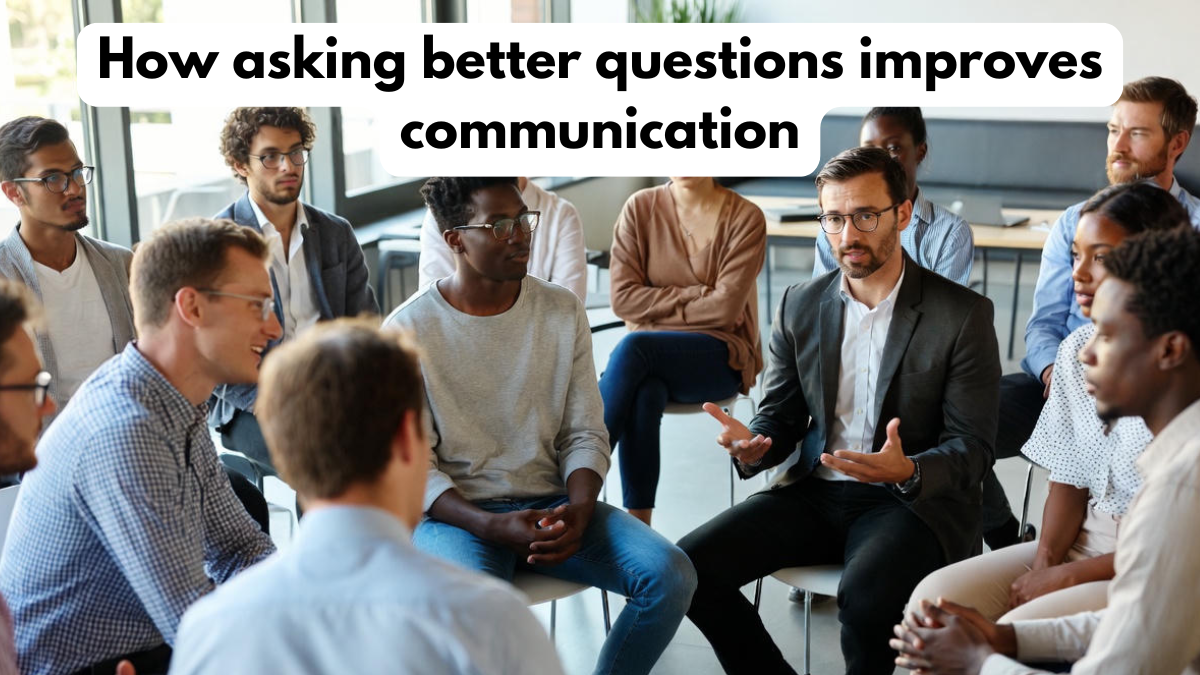
Why better questions transform conversations
Great conversations do not happen by accident—they are shaped by curiosity, attention, and intention. When individuals practice asking better questions, they open the door to richer dialogue. Better questions invite others to share details, emotions, and perspectives that would otherwise remain hidden. They shift the focus from assumptions to exploration, helping people understand what truly matters in a conversation.
This strengthens overall communication skills by encouraging active listening, empathy, and thoughtful reflection. Instead of surface-level exchanges, better questions help build relationships rooted in trust and authenticity. Whether in workplace meetings, friendships, or family discussions, strong questions guide conversations toward more meaningful outcomes.
The types of questions that improve communication
Not all questions are created equal. Some spark connection, while others can shut conversation down. Practicing asking better questions involves knowing the difference between open-ended, reflective, and exploratory questions—all of which elevate communication skills.
Key types include:
- Open-Ended Questions: Invite detailed responses rather than yes/no answers
- Clarifying Questions: Help ensure understanding and minimize assumptions
- Reflective Questions: Encourage deeper emotional or intellectual insight
- Exploratory Questions: Expand possibilities and stimulate imagination
- Follow-Up Questions: Show active listening and genuine interest
These question types guide conversations toward clarity and connection, supporting meaningful dialogue and stronger relationships.
Table: Question Types and Their Communication Benefits
| Question Type | Description | Impact on Communication Skills |
|---|---|---|
| Open-Ended | Encourages thoughtful, detailed responses | Enhances depth and understanding |
| Clarifying | Clears confusion and checks accuracy | Improves accuracy and alignment |
| Reflective | Invites emotional or intellectual insight | Strengthens empathy and connection |
| Exploratory | Expands ideas and possibilities | Encourages creativity and problem-solving |
| Follow-Up | Builds on previous answers | Shows active listening and engagement |
This table demonstrates how different question types support the process of asking better questions and build strong, effective communication skills.
How better questions improve relationships
Strong relationships depend on understanding, trust, and emotional presence. Asking better questions encourages people to look beyond superficial responses and explore what others truly think or feel. When someone feels heard and invited to share deeply, they are more likely to open up and build stronger emotional bonds.
In personal relationships, thoughtful questions encourage vulnerability and empathy. In professional settings, they build team cohesion, reduce misunderstandings, and support collaboration. These benefits highlight how essential communication skills are for creating harmonious interactions in every aspect of life.
Why curiosity is essential to asking better questions
Curiosity is the driving force behind asking better questions. When people are genuinely curious, they listen more attentively, observe more closely, and respond more thoughtfully. Curiosity transforms conversations from transactional exchanges into meaningful interactions filled with discovery.
This mindset strengthens communication skills by helping individuals ask questions that are sincere, relevant, and emotionally intelligent. Instead of focusing on what they want to say next, curious communicators focus on what they can learn. This shifts conversations toward mutual understanding, collaboration, and deeper insight.
How asking better questions enhances problem-solving
When faced with challenges, strong solutions begin with strong questions. Whether in leadership, education, or daily decision-making, asking better questions helps uncover root causes, identify patterns, and expand options. Poorly framed questions limit possibilities, while thoughtful questions broaden perspective and reveal hidden details.
This approach is especially valuable in workplaces, where effective communication skills can determine the success of teams and projects. Leaders who ask more meaningful questions empower team members to think critically, challenge assumptions, and contribute creative solutions. Question-driven problem-solving leads to stronger outcomes and more innovative thinking.
Conclusion
The art of asking better questions lies at the heart of meaningful communication. Strong questions unlock deeper insight, richer conversation, and stronger relationships. By practicing curiosity, understanding question types, and cultivating intentional dialogue, individuals enhance their communication skills in every area of life. Better questions open doors—doors to understanding, clarity, connection, and problem-solving. When people ask with intention, they not only improve their interactions but also transform the way they connect with the world around them.
FAQs
Why are good questions important in communication?
Good questions deepen understanding, strengthen communication skills, and create more meaningful conversation.
How can I practice asking better questions?
Focus on curiosity, use open-ended or reflective questions, and listen closely to develop strong habits for asking better questions.
Do better questions improve relationships?
Yes, thoughtful questioning builds trust and emotional connection, enhancing personal and professional communication skills.
What types of questions encourage deeper conversation?
Open-ended, reflective, and exploratory questions help expand dialogue and support the practice of asking better questions.
Click here to learn more