Anxiety doesn’t always show up in obvious ways like panic attacks or constant worry. In many cases, it hides beneath the surface, quietly affecting your daily life without you even realizing it. These subtle indicators, known as silent anxiety symptoms, often go unnoticed until they begin to impact your overall well-being.
In 2026, awareness around mental health has grown significantly, yet many people still ignore early warning signs. Recognizing these hidden stress signs is crucial for preventing long-term emotional and physical challenges. This article will help you understand the less obvious symptoms of anxiety and why paying attention to them can make a big difference.
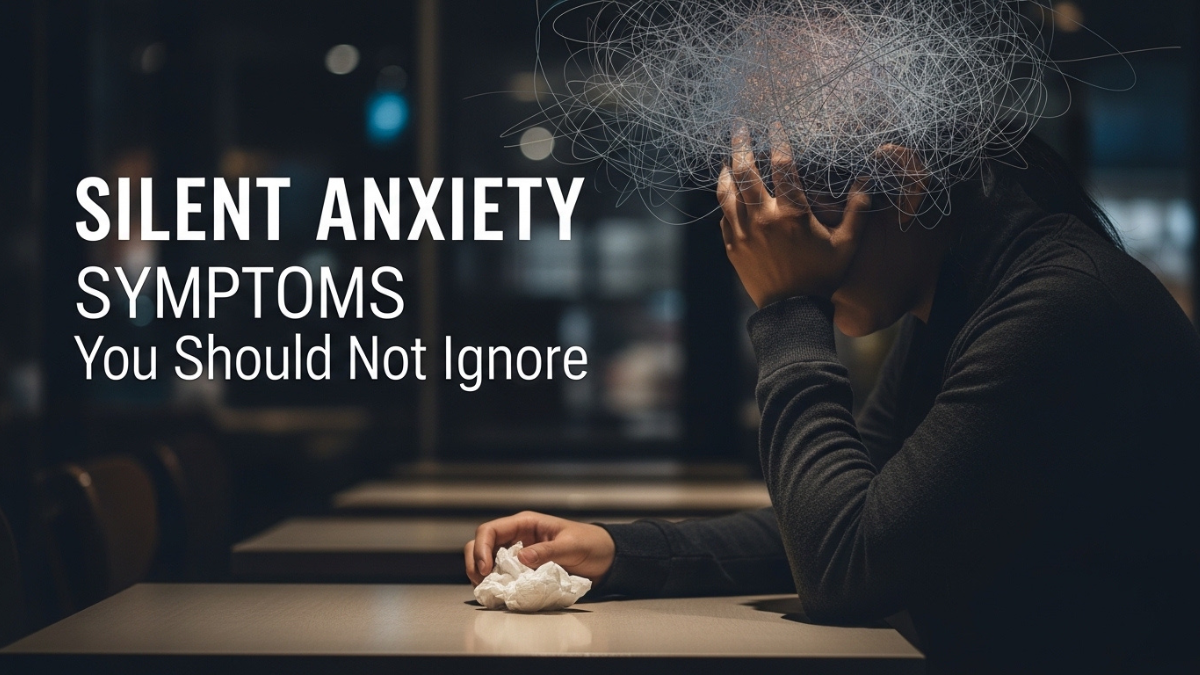
What Are Silent Anxiety Symptoms
Silent anxiety symptoms are subtle emotional, physical, or behavioral changes that indicate underlying anxiety. Unlike visible anxiety, these symptoms don’t always disrupt your routine immediately, making them harder to detect.
These hidden stress signs may include overthinking, irritability, fatigue, or even physical discomfort without a clear cause. Many people dismiss these signs as normal stress, but they can signal deeper mental health concerns.
Common silent anxiety symptoms include:
- Constant overthinking or worrying
- Difficulty relaxing even during free time
- Unexplained fatigue
- Trouble concentrating
- Avoidance of certain situations
Recognizing these hidden stress signs early can help you take control of your mental health before the condition worsens.
Common Silent Anxiety Symptoms and Their Effects
Understanding how silent anxiety symptoms manifest can help you identify them more easily. Below is a table outlining common symptoms and their potential impact:
| Symptom | Description | Impact on Mental Health |
|---|---|---|
| Overthinking | Constant analysis of situations | Increased stress levels |
| Irritability | Easily annoyed or frustrated | Strained relationships |
| Fatigue | Feeling tired without reason | Reduced productivity |
| Muscle tension | Physical tightness or discomfort | Physical health issues |
| Sleep disturbances | Difficulty falling or staying asleep | Poor overall mental health |
These hidden stress signs can gradually affect your daily life if ignored. Addressing silent anxiety symptoms early is essential for maintaining balanced mental health.
Why Silent Anxiety Often Goes Unnoticed
One reason silent anxiety symptoms are difficult to detect is that they blend into everyday behavior. Many people assume they are just “having a bad day” or dealing with normal stress.
Additionally, societal expectations often discourage open discussions about mental health, causing individuals to ignore their feelings. These hidden stress signs may not seem serious at first, but over time they can escalate into more severe anxiety disorders.
Factors contributing to unnoticed anxiety include:
- Busy lifestyles masking symptoms
- Lack of awareness about mental health
- Normalizing stress as part of daily life
- Fear of judgment or stigma
Understanding these factors can help you become more aware of silent anxiety symptoms and take proactive steps.
How Silent Anxiety Affects Daily Life
Even though silent anxiety symptoms are subtle, their impact can be significant. They can affect your work performance, relationships, and overall happiness.
For example, constant overthinking can reduce productivity, while irritability may strain personal connections. These hidden stress signs can also lead to physical issues such as headaches or fatigue, further affecting your mental health.
Key areas impacted include:
- Work efficiency and focus
- Personal relationships
- Physical health
- Emotional stability
Addressing silent anxiety symptoms is essential to prevent long-term consequences and improve overall mental health.
Effective Ways to Manage Silent Anxiety
Managing silent anxiety symptoms requires awareness and consistent effort. Small lifestyle changes can make a big difference in improving your mental health.
Here are some practical strategies:
- Practice mindfulness and meditation
- Maintain a regular sleep schedule
- Exercise regularly to reduce stress
- Limit screen time and social media exposure
- Seek professional help if needed
These methods can help you identify and manage hidden stress signs effectively. By taking action early, you can reduce the impact of silent anxiety symptoms and maintain better mental health.
Conclusion
Silent anxiety can quietly affect your life without obvious warning signs. Recognizing silent anxiety symptoms is the first step toward better emotional well-being. These subtle hidden stress signs may seem minor, but they can have a significant impact if ignored.
By prioritizing your mental health and adopting healthy coping strategies, you can manage anxiety effectively and improve your quality of life. Awareness, self-care, and timely action are key to overcoming silent anxiety symptoms and achieving long-term balance.
FAQs
What are silent anxiety symptoms
Silent anxiety symptoms are subtle signs of anxiety that are not easily noticeable, such as overthinking, fatigue, and irritability, affecting overall mental health.
How can I identify hidden stress signs
You can identify hidden stress signs by paying attention to changes in behavior, mood, and physical health that may indicate underlying anxiety.
Can silent anxiety affect physical health
Yes, silent anxiety symptoms can lead to physical issues like fatigue, muscle tension, and sleep problems, impacting overall mental health.
How can I improve my mental health with anxiety
Improving mental health involves managing silent anxiety symptoms through lifestyle changes, mindfulness, and seeking professional support if needed.
Click here to learn more