The conversation around employee mental health is undergoing a critical transformation, with preventive mental health emerging as a central focus for organizations worldwide. For years, mental health support in the workplace was largely reactive, addressing burnout, stress, or crisis only after performance declined. Today, companies are recognizing that sustainable success depends on anticipating challenges before they escalate. This shift reflects broader HR trends that prioritize long-term resilience and proactive care. At the heart of this evolution is workplace wellbeing, which is increasingly viewed as a strategic investment rather than a support function.
As work environments become more complex and demanding, the cost of neglecting mental health is rising. Absenteeism, disengagement, and turnover directly impact organizational performance. Preventive mental health aims to reduce these risks by embedding supportive practices into daily operations. Rather than waiting for issues to surface, companies are integrating wellbeing into leadership, culture, and policy. This proactive approach aligns closely with modern HR trends that emphasize holistic employee experiences and measurable outcomes in workplace wellbeing.
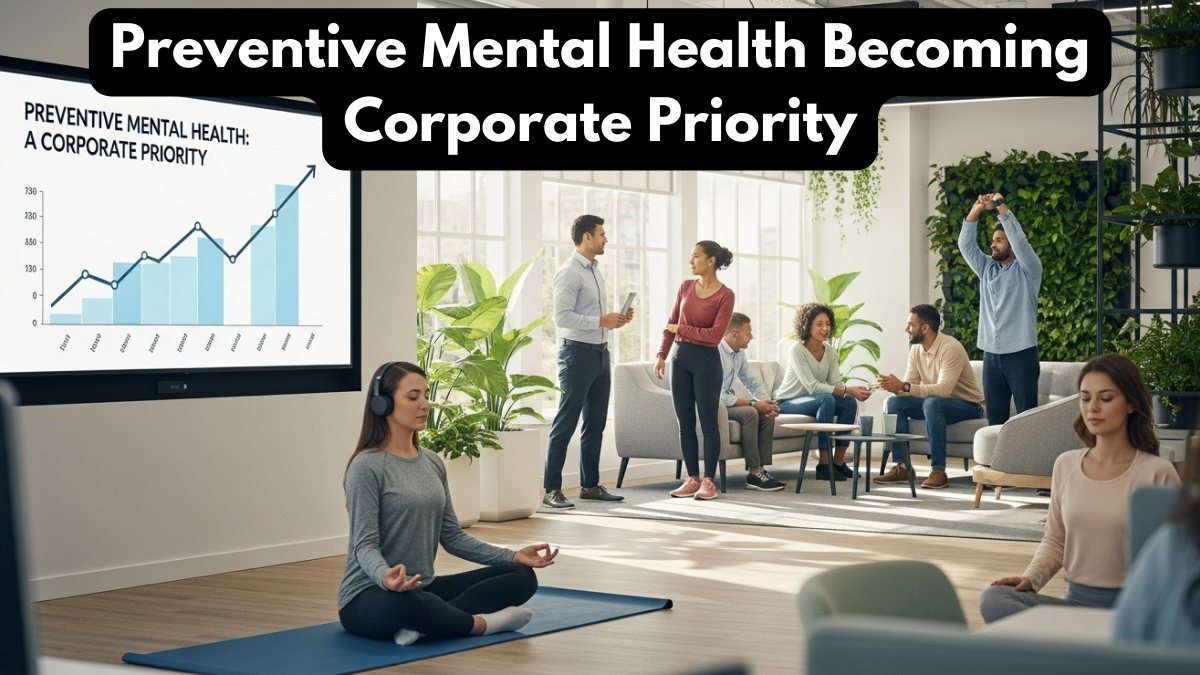
Why Reactive Mental Health Models Are No Longer Enough
Reactive mental health models focus on treatment after problems arise, but they often fail to address underlying causes. High workloads, unclear expectations, and lack of autonomy can gradually erode wellbeing long before symptoms are visible. Preventive mental health addresses these root factors early, reducing the likelihood of long-term issues. This approach reflects a growing understanding within HR trends that prevention is more effective and cost-efficient than intervention alone.
Another limitation of reactive models is stigma. Employees may hesitate to seek help once they are already struggling. By contrast, preventive mental health normalizes wellbeing practices as part of everyday work. When workplace wellbeing initiatives are integrated into routines, participation increases and barriers decrease. This cultural shift is supported by evolving HR trends that encourage openness, psychological safety, and shared responsibility for mental health.
Core Elements of Preventive Mental Health in Organizations
Successful preventive mental health strategies focus on creating environments that support balance, clarity, and connection. These initiatives are not one-size-fits-all programs but adaptable frameworks aligned with organizational values. As HR trends evolve, prevention is increasingly embedded into leadership development, performance management, and team design. Strong workplace wellbeing outcomes depend on consistency and authenticity rather than isolated initiatives.
Key components of preventive mental health include:
- Clear role expectations and manageable workloads
- Regular check-ins focused on wellbeing, not just performance
- Training leaders to recognize early signs of stress
- Flexible work arrangements that support balance
- Access to resources that strengthen coping and resilience
These elements demonstrate how preventive mental health supports sustainable workplace wellbeing while aligning with forward-looking HR trends.
Comparison Between Reactive and Preventive Mental Health Approaches
The table below highlights how preventive mental health differs from traditional reactive models in the workplace.
| Aspect | Reactive Mental Health | Preventive Mental Health |
|---|---|---|
| Timing | After issues arise | Before issues escalate |
| Focus | Treatment | Prevention and resilience |
| Employee Engagement | Low to moderate | High |
| Cost Impact | Higher long-term | Lower long-term |
| Alignment with HR Trends | Declining | Increasing |
| Workplace Wellbeing Outcome | Short-term relief | Sustainable improvement |
This comparison shows why organizations are shifting toward preventive mental health as a core pillar of workplace wellbeing and modern HR trends.
Role of HR Trends in Driving Preventive Approaches
Human resources functions are evolving from administrative roles to strategic partners in organizational health. Modern HR trends emphasize data-driven insights, employee experience, and long-term capability building. Preventive mental health fits naturally into this framework by addressing risks before they affect performance. HR teams now collaborate closely with leadership to design systems that support wellbeing proactively.
Technology also plays a supporting role. Pulse surveys, anonymous feedback, and wellbeing analytics help identify patterns early. However, preventive mental health goes beyond tools; it requires human-centered leadership and trust. When workplace wellbeing is integrated into decision-making, employees feel valued rather than monitored. This balance reflects the most effective HR trends, where empathy and accountability coexist.
Benefits of Preventive Mental Health for Business Performance
Organizations investing in preventive mental health often see improvements across multiple performance indicators. Reduced absenteeism, higher engagement, and stronger retention are common outcomes. These benefits stem from healthier work environments where employees can perform consistently without chronic stress. As workplace wellbeing improves, teams become more adaptable and innovative.
Preventive strategies also strengthen employer reputation. In competitive talent markets, candidates increasingly evaluate companies based on mental health support. Aligning with progressive HR trends signals commitment to people, not just productivity. Over time, preventive mental health contributes to organizational resilience, enabling companies to navigate change with a stable and motivated workforce.
Conclusion
The rise of preventive mental health as a corporate priority reflects a deeper understanding of how people and organizations thrive. By shifting from reactive support to proactive care, companies strengthen workplace wellbeing and reduce long-term risk. This evolution aligns with modern HR trends that value sustainability, empathy, and performance in equal measure. As work continues to evolve, organizations that embed preventive mental health into their culture will be better equipped to support employees and achieve lasting success.
FAQs
What is preventive mental health?
Preventive mental health focuses on reducing stress and risk factors before mental health issues develop.
How does preventive mental health improve workplace wellbeing?
It supports early intervention, healthier environments, and sustained workplace wellbeing.
Why are HR trends shifting toward prevention?
Modern HR trends recognize that prevention improves performance, engagement, and retention.
Is preventive mental health expensive to implement?
Over time, preventive mental health reduces costs associated with burnout and turnover.
Can preventive mental health benefit small organizations?
Yes, even simple practices can significantly improve workplace wellbeing when aligned with proactive HR trends.
Click here to learn more