The growing emphasis on emotional intelligence marks a significant shift in how effective leadership is defined in modern organizations. For decades, leadership success was primarily associated with technical expertise, authority, and decision-making power. Today, these attributes alone are no longer sufficient. Leaders are increasingly expected to understand emotions, manage relationships, and foster psychologically safe environments. This evolution reflects deeper insights from workplace psychology and changing management trends that prioritize people-centric leadership.
As organizations become more diverse, distributed, and fast-paced, the human element of leadership has gained prominence. Emotional intelligence enables leaders to navigate complex interpersonal dynamics, respond empathetically to challenges, and inspire trust. These capabilities directly influence team morale, productivity, and retention. As a result, emotional intelligence is now recognized as a cornerstone of modern leadership skills, shaping how leaders guide teams through uncertainty and change.
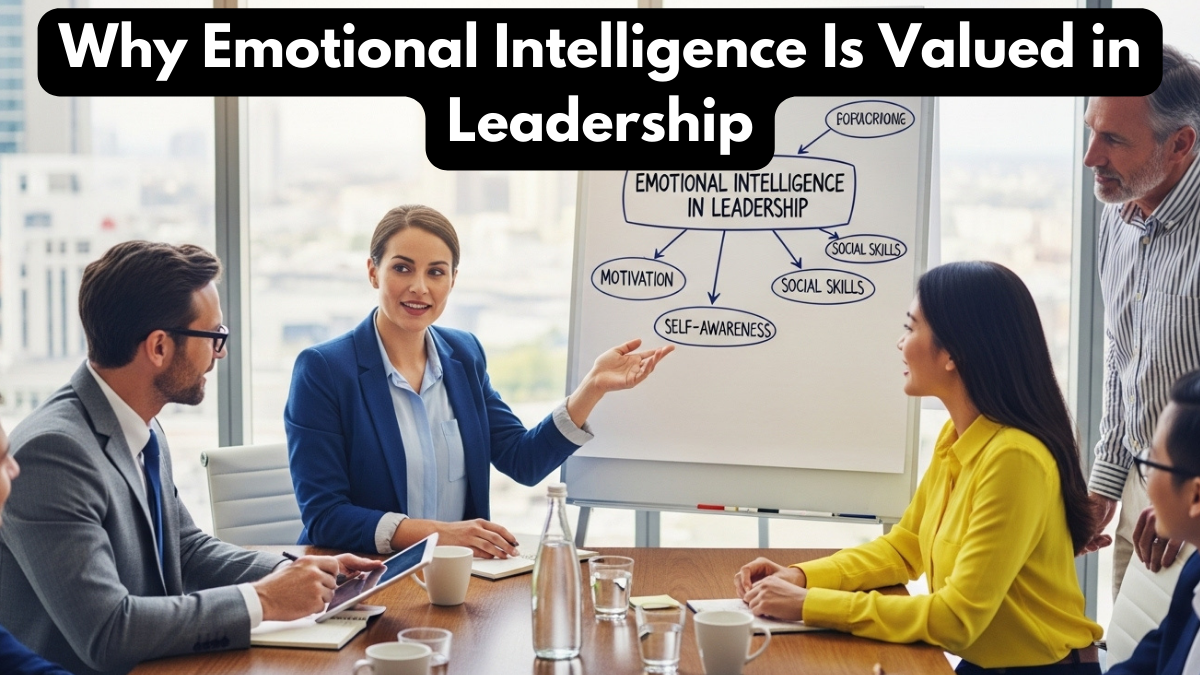
Emotional Intelligence and Core Leadership Skills
At its core, emotional intelligence enhances essential leadership skills such as communication, conflict resolution, and adaptability. Leaders with high emotional awareness can recognize their own emotions and understand how these emotions affect others. This self-regulation allows them to remain calm under pressure and make balanced decisions, strengthening their effectiveness in complex situations.
Strong leadership skills are no longer defined solely by authority but by influence and connection. Emotional intelligence helps leaders listen actively, provide constructive feedback, and motivate teams authentically. These qualities foster collaboration and trust, reinforcing the importance of emotional competence in leadership roles. As management trends evolve, emotionally intelligent leadership continues to gain strategic relevance.
Role of Workplace Psychology in Leadership Effectiveness
Insights from workplace psychology have significantly contributed to the rising value of emotional intelligence in leadership. Psychological research highlights how emotions influence behavior, motivation, and performance. Leaders who understand these dynamics can create environments that support engagement and well-being. This understanding enables leaders to anticipate challenges and respond proactively rather than reactively.
By applying principles of workplace psychology, leaders can address stress, burnout, and interpersonal conflicts more effectively. Emotional intelligence allows leaders to recognize emotional cues and adjust their approach accordingly. This alignment between emotional awareness and psychological insight strengthens leadership skills and supports healthier organizational cultures.
Emotional Intelligence and Modern Management Trends
Current management trends emphasize empathy, inclusivity, and adaptability, all of which are deeply connected to emotional intelligence. As hierarchical structures give way to collaborative models, leaders must engage teams through influence rather than control. Emotionally intelligent leaders excel in these environments by fostering open communication and shared accountability.
Remote and hybrid work models have further amplified the importance of emotional intelligence. Without physical proximity, leaders rely on emotional cues and trust-building to maintain cohesion. Understanding workplace psychology in virtual settings helps leaders support teams effectively. These management trends reinforce the idea that emotional competence is essential for leadership success in evolving work environments.
Organizational Impact of Emotionally Intelligent Leaders
The presence of emotional intelligence in leadership has measurable organizational benefits. Teams led by emotionally intelligent leaders often report higher job satisfaction, stronger engagement, and improved performance. These leaders create cultures where individuals feel valued and understood, directly impacting retention and innovation. By strengthening leadership skills, emotional intelligence becomes a driver of sustainable success.
Below is a table comparing traditional leadership approaches with emotionally intelligent leadership:
| Aspect | Traditional Leadership | Emotionally Intelligent Leadership |
|---|---|---|
| Communication Style | Directive | Empathetic and collaborative |
| Conflict Management | Authority-based | Emotion-aware resolution |
| Team Motivation | Task-focused | People-focused |
| Use of Workplace Psychology | Minimal | Integrated and intentional |
| Alignment with Management Trends | Limited | Strong and future-ready |
This comparison highlights why emotional intelligence is increasingly prioritized in leadership development.
Conclusion
The growing value of emotional intelligence in leadership reflects a deeper understanding of human behavior and organizational success. By strengthening leadership skills, applying insights from workplace psychology, and aligning with modern management trends, emotionally intelligent leaders create resilient, engaged, and high-performing teams. As workplaces continue to evolve, emotional intelligence will remain a defining quality of effective leadership in the modern era.
FAQs
What is emotional intelligence in leadership?
Emotional intelligence in leadership refers to the ability to understand, manage, and respond effectively to emotions in oneself and others.
Why are leadership skills linked to emotional intelligence?
Leadership skills such as communication and conflict resolution are enhanced by emotional awareness and empathy.
How does workplace psychology relate to emotional intelligence?
Workplace psychology explains how emotions influence behavior, helping leaders apply emotional intelligence more effectively.
Are management trends favoring emotionally intelligent leaders?
Yes, current management trends emphasize empathy, adaptability, and collaboration, all supported by emotional intelligence.
Click here to learn more