Longevity was once a topic reserved for older adults and medical researchers, but that perception is changing rapidly. Today, people under forty are actively investing in longevity hacking as a proactive approach to health, performance, and quality of life. Rather than reacting to illness later, younger generations are adopting strategies that slow biological aging and extend healthy years. This shift is strongly influenced by emerging anti aging trends and a growing focus on preventative wellness. As information becomes more accessible, longevity hacking is moving from niche biohacker circles into mainstream lifestyle choices.
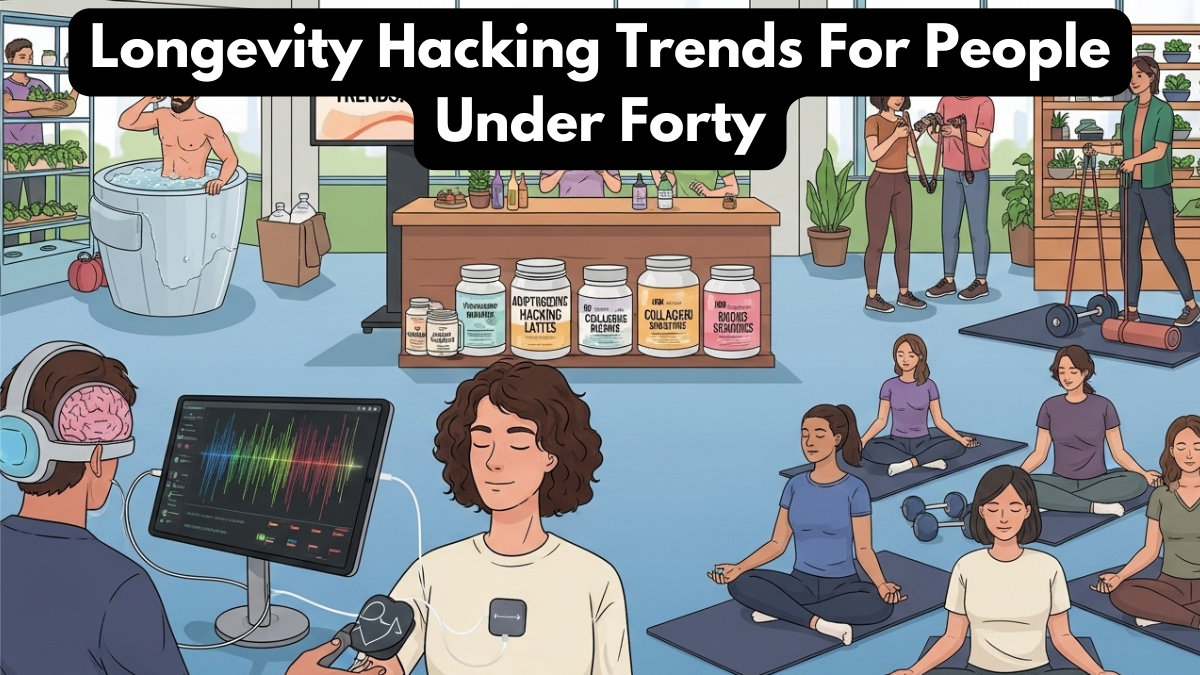
What Longevity Hacking Really Means
Longevity hacking refers to intentional practices designed to optimize biological health, delay aging, and improve long-term vitality. Unlike traditional healthcare, which often addresses problems after they appear, longevity hacking emphasizes prevention and optimization. This includes nutrition, sleep, movement, stress management, and data-driven self-awareness. Within modern wellness culture, longevity hacking is not about extreme interventions but about consistent habits that compound over time. As anti aging trends evolve, the focus has shifted from cosmetic fixes to cellular health and metabolic resilience.
Why People Under Forty Are Embracing Longevity Hacking
Younger adults are uniquely positioned to benefit from longevity hacking because early interventions have the greatest long-term impact. Rising awareness of burnout, chronic stress, and lifestyle-related diseases has motivated proactive action. Many under forty view longevity as an extension of personal development rather than a response to decline. Influenced by modern anti aging trends, they prioritize energy, cognitive clarity, and resilience. This mindset aligns closely with holistic wellness, where health supports career growth, relationships, and life satisfaction.
Popular Longevity Hacking Strategies And Practices
The rise of longevity hacking has introduced a wide range of practices aimed at preserving physical and mental function. While approaches vary, most strategies emphasize sustainability and personalization. The table below outlines commonly adopted longevity methods and their intended benefits within modern wellness frameworks.
| Longevity Practice | Purpose | Connection To Anti Aging Trends |
|---|---|---|
| Sleep Optimization | Cellular repair and recovery | Core longevity focus |
| Strength Training | Muscle preservation and metabolism | Healthy aging support |
| Nutritional Timing | Blood sugar and hormone balance | Metabolic anti aging |
| Stress Regulation | Nervous system stability | Mental wellness |
| Health Tracking | Early risk detection | Preventative longevity hacking |
These strategies demonstrate how longevity hacking integrates seamlessly with evolving anti aging trends.
The Role Of Wellness Culture In Longevity Hacking
Modern wellness culture has played a major role in normalizing longevity-focused behavior among younger adults. Wellness is no longer limited to spa treatments or fitness routines; it now includes data literacy, emotional regulation, and lifestyle design. Longevity hacking fits naturally into this broader wellness narrative by offering measurable outcomes and long-term benefits. As anti aging trends become more science-backed, wellness is shifting from indulgence to discipline, making longevity hacking a structured and intentional practice.
Technology And Data In Longevity Hacking
Technology has accelerated the adoption of longevity hacking by making health data accessible and actionable. Wearables, health apps, and diagnostics allow individuals to monitor sleep, recovery, and metabolic health in real time. This data-driven approach aligns with current anti aging trends, which favor personalization over generic advice. Within the wellness space, technology empowers individuals to make informed adjustments and track progress, reinforcing consistency and accountability in longevity practices.
Misconceptions And Risks Around Longevity Hacking
Despite its benefits, longevity hacking is sometimes misunderstood as extreme or obsessive. In reality, effective longevity strategies emphasize moderation and sustainability. Overuse of supplements or unverified interventions can create unnecessary risk. Responsible wellness practices prioritize evidence-based methods and long-term consistency. As anti aging trends continue to evolve, critical thinking and professional guidance remain essential to avoid misinformation and unrealistic expectations.
Longevity Hacking As A Long Term Lifestyle Choice
For people under forty, longevity hacking is less about extending lifespan at any cost and more about improving healthspan. The goal is to maintain strength, clarity, and independence for as long as possible. This long-term perspective aligns with preventative wellness and modern anti aging trends that focus on quality rather than vanity. When integrated thoughtfully, longevity hacking becomes a sustainable lifestyle rather than a short-term experiment.
Conclusion
The growing interest in longevity hacking among people under forty reflects a deeper cultural shift toward proactive health management. Driven by science-based anti aging trends and a holistic view of wellness, younger generations are redefining what it means to age well. By investing early in sustainable habits, individuals increase their chances of long, healthy, and fulfilling lives. Longevity hacking is not about fear of aging, but about respecting the body and planning for a resilient future.
FAQs
What is longevity hacking in simple terms?
Longevity hacking is the practice of improving long-term health and slowing aging through intentional lifestyle choices.
Is longevity hacking only for older adults?
No, people under forty benefit the most because early habits have long-term impact.
Are anti aging trends the same as longevity hacking?
Anti aging trends often focus on appearance, while longevity hacking focuses on internal health and function.
Does longevity hacking require expensive tools?
Many effective wellness practices like sleep, movement, and nutrition are low-cost and accessible.
Can longevity hacking improve quality of life now?
Yes, longevity hacking often leads to better energy, focus, and resilience in daily life, not just long-term benefits.
Click here to learn more