The Productivity Illusion has quietly become one of the defining experiences of modern life. Many people end their days exhausted, calendars packed, notifications answered, yet still feel strangely unfulfilled. This contradiction is deeply connected to Busy culture, where constant activity is mistaken for meaningful progress. Being busy feels productive because it creates a sense of momentum, even when outcomes remain unchanged. Understanding why the Productivity Illusion exists helps explain why so many people confuse motion with achievement and equate packed schedules with personal value.
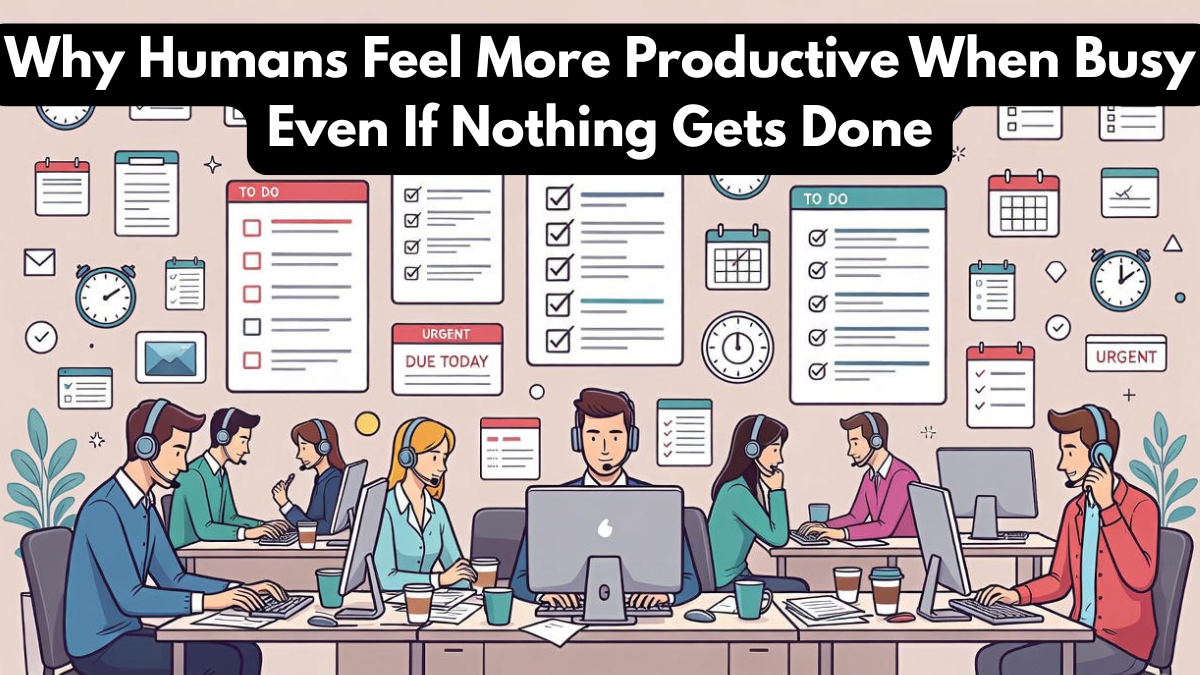
The Psychology Behind Feeling Productive While Staying Busy
At the core of the Productivity Illusion is the human brain’s reward system. Completing small tasks releases dopamine, giving the mind a quick sense of satisfaction. In a world dominated by Busy culture, answering emails, attending meetings, and checking off to-do lists provides frequent dopamine hits. These actions feel productive because they are visible and measurable, even when they contribute little to long-term goals. The brain prefers immediate rewards over delayed ones, which reinforces behaviors that keep people busy rather than effective.
How Busy Culture Redefines Success and Effort
Busy culture has reshaped how society defines success. People often associate long hours, constant availability, and multitasking with ambition and discipline. This reinforces the Productivity Illusion, making rest or deep focus seem lazy or unproductive. Social validation plays a strong role here, as being busy is frequently praised while slowing down is questioned. Over time, individuals internalize these values and begin to judge their self-worth based on how occupied they appear rather than what they accomplish.
Productivity Illusion vs Real Progress
The difference between real productivity and the Productivity Illusion lies in outcomes. Real productivity creates measurable progress toward meaningful goals, while illusionary productivity creates activity without direction. Busy culture encourages people to prioritize urgency over importance, leading to reactive work instead of intentional effort.
| Aspect | Productivity Illusion | Real Productivity |
|---|---|---|
| Focus | Activity and motion | Meaningful outcomes |
| Reward | Immediate satisfaction | Long-term results |
| Motivation | External pressure | Internal clarity |
| Measurement | Hours and tasks | Impact and progress |
This comparison highlights how Busy culture rewards surface-level effort while often neglecting deeper value creation.
Long-Term Effects of Living in Constant Busyness
Sustained exposure to the Productivity Illusion can lead to burnout, decision fatigue, and reduced creativity. When Busy culture dominates daily routines, people rarely pause to reflect, reassess priorities, or engage in deep thinking. Over time, constant busyness becomes a coping mechanism, masking uncertainty or lack of direction. This cycle makes it harder to distinguish between meaningful work and habitual activity, strengthening the illusion further.
Conclusion
Breaking free from the Productivity Illusion requires redefining what productivity truly means. Challenging Busy culture involves valuing clarity over chaos, results over appearances, and depth over speed. By focusing on intentional actions rather than constant motion, individuals can replace the illusion of productivity with genuine progress. Recognizing the difference is the first step toward healthier work habits and a more balanced relationship with time and effort.
FAQs
Why does being busy feel productive even without results?
Being busy triggers dopamine responses in the brain, making activity feel rewarding even when it lacks meaningful outcomes, reinforcing the Productivity Illusion.
How does busy culture contribute to stress?
Busy culture normalizes constant engagement and availability, reducing rest and reflection, which increases long-term stress and burnout.
Is multitasking a form of productivity illusion?
Yes, multitasking often creates the Productivity Illusion because it increases activity while reducing focus and overall effectiveness.
Can slowing down actually improve productivity?
Slowing down helps reduce the Productivity Illusion by allowing deeper focus, clearer priorities, and more meaningful results.
Click here to learn more