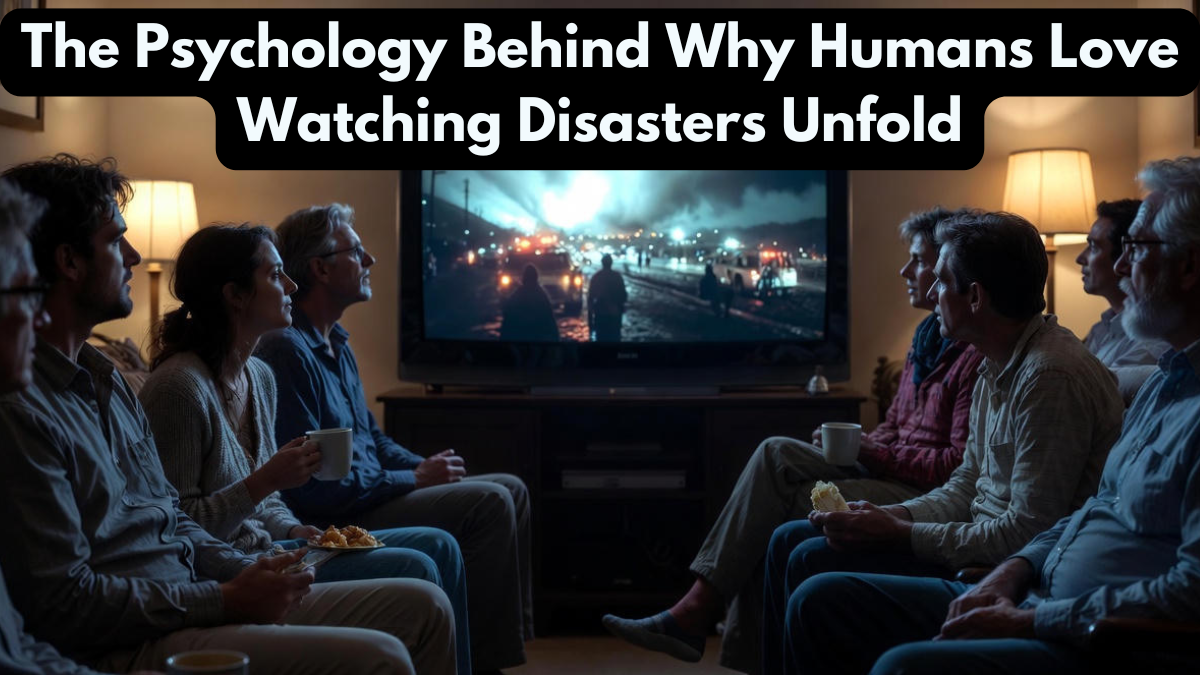
Disaster Psychology explores how the human mind responds to crises, chaos, and large-scale destructive events. When natural disasters, accidents, or dramatic emergencies unfold on screens, millions of people feel compelled to watch. This reaction is not rooted in cruelty or indifference but deeply connected to Human curiosity and survival instincts. From breaking news coverage to viral disaster footage, people instinctively seek information about danger. Understanding why this happens reveals important insights into emotional processing, empathy, and risk awareness in modern society.
The Role of Curiosity in Observing Danger
At the core of this fascination lies Human curiosity, a psychological drive that pushes people to seek new, uncertain, or emotionally intense experiences. Disaster Psychology explains that observing disasters from a safe distance allows the brain to explore threats without direct exposure. This form of curiosity helps individuals mentally prepare for potential dangers in real life. Humans have evolved to monitor environmental risks, and watching disasters satisfies that instinct while maintaining physical safety.
Common curiosity-driven reasons include:
- Desire to understand what went wrong
- Need to assess personal vulnerability
- Emotional engagement with dramatic events
- Learning survival lessons indirectly
Through Human curiosity, people subconsciously gather information that may help them avoid similar situations in the future.
Emotional Arousal and Psychological Stimulation
Disaster Psychology shows that disasters trigger strong emotional arousal. Fear, shock, sadness, and relief activate the brain’s alert systems, releasing adrenaline and dopamine. This intense stimulation can feel strangely engaging, even addictive. Human curiosity amplifies this effect by drawing attention to unpredictable outcomes and unfolding narratives. The brain becomes invested in the story, wanting to know who survives, how rescue unfolds, and what consequences follow.
Psychologically, this response:
- Heightens focus and attention
- Temporarily distracts from personal stress
- Creates a sense of emotional release
- Encourages empathy and shared concern
These reactions explain why disaster coverage often holds attention longer than positive or neutral news.
Social Comparison and Survival Reassurance
Another key explanation within Disaster Psychology is social comparison. Watching disasters often reassures viewers that they are currently safe. Human curiosity pushes individuals to compare their own circumstances with those affected. This comparison can create relief, gratitude, or heightened awareness of personal safety. While it may seem uncomfortable, this psychological mechanism helps regulate anxiety and reinforces survival instincts.
The table below summarizes how people emotionally respond when watching disasters:
| Psychological Trigger | Emotional Response | Behavioral Outcome |
|---|---|---|
| Perceived threat | Fear and alertness | Increased attention |
| Safe distance | Relief | Continued viewing |
| Human suffering | Empathy | Emotional bonding |
| Uncertainty | Curiosity | Information seeking |
This table highlights how Disaster Psychology and Human curiosity interact to shape viewer behavior.
Media, Technology, and Repeated Exposure
Modern media intensifies the effects described by Disaster Psychology. Live footage, social media clips, and real-time updates feed Human curiosity continuously. Algorithms prioritize dramatic content, increasing exposure and reinforcing viewing habits. Repeated exposure can normalize disaster imagery, making people more likely to watch future events with less emotional resistance.
However, this constant exposure can also:
- Increase desensitization
- Raise anxiety levels
- Distort risk perception
- Create emotional fatigue
Understanding these effects helps individuals consume disaster-related content more consciously and responsibly.
Conclusion: A Mirror Into the Human Mind
Disaster Psychology reveals that watching disasters is not about enjoyment but about understanding, preparation, and emotional processing. Driven by Human curiosity, people seek meaning, safety, and connection through these intense events. When viewed thoughtfully, this fascination can promote empathy, awareness, and learning. Recognizing the psychological mechanisms behind this behavior allows society to balance curiosity with compassion and mental well-being.
FAQs
Why does watching disasters feel compelling?
Disaster Psychology explains that emotional arousal, uncertainty, and Human curiosity activate survival instincts that draw attention to unfolding danger.
Is it unhealthy to watch disaster news frequently?
Moderate viewing can increase awareness, but excessive exposure may raise anxiety or emotional fatigue, according to Disaster Psychology research.
Does Human curiosity make people insensitive to suffering?
No, Human curiosity often increases empathy by helping viewers emotionally connect with those affected rather than ignore them.
Why do people watch disasters even when they feel anxious?
Disaster Psychology shows that anxiety and curiosity can coexist, as the brain seeks information to reduce uncertainty and regain control.
Can understanding Disaster Psychology change media habits?
Yes, awareness helps individuals set healthy boundaries while still satisfying Human curiosity in a balanced way.
Click here to learn more